
Nūdeļu tekstūras analīze un mašīna
Nūdeļu stiepes tests
Vienmērīgas kvalitātes nodrošināšana, analizējot makaronu tekstūru
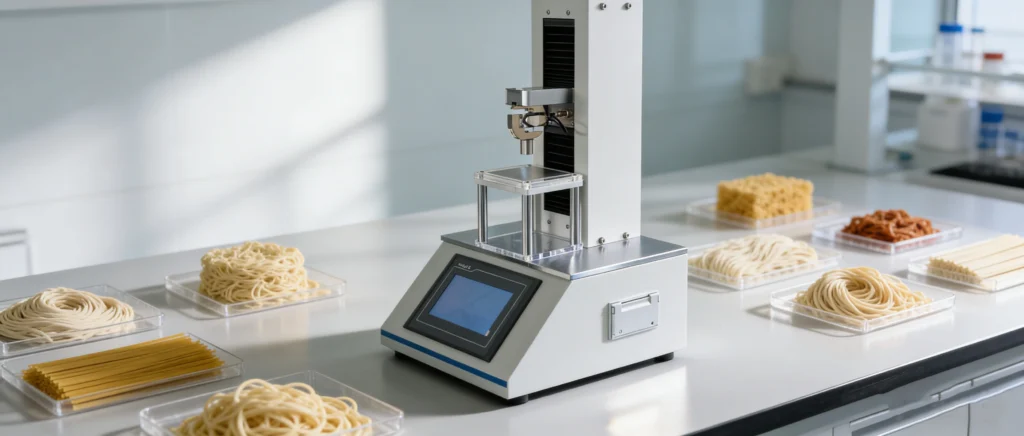
Nūdeļu tekstūras analizators
Par mums
Cell Instruments specializējas augstas precizitātes makaronu tekstūras analizatori paredzēts pārtikas rūpniecībai. Mēs piedāvājam risinājumus stiepes izmēģinājumi makaroniem, spageti un citiem līdzīgiem makaronu izstrādājumiem, palīdzot pārtikas ražotājiem un kvalitātes kontroles laboratorijām noteikt tekstūru, elastību un izturību pret lūšanu. Mūsu instrumenti nodrošina, ka produkti atbilst vēlamajiem kvalitātes standartiem, garšas īpašībām un patērētāju apmierinātībai.
Uzticama Bekk gluduma testēšana kvalitātes nodrošināšanai
Kā noteikt makaronu un spageti tekstūru, izmantojot tekstūras analizatorus
Izpratne par nūdeļu tekstūru ir ļoti svarīga patērētāju apmierinātībai. Tekstūra ietekmē uztverto kvalitāti, gatavošanas īpašības un garšas sajūtu. Precīzs nūdeļu tekstūras analīze ļauj ražotājiem:
- Parauga sagatavošana: Vāra nūdeles vai spageti līdz vēlamajai konsistencei, nodrošinot vienādu rezultātu visos paraugos.
- Nostiprināšana: Nostipriniet makaronu pavedienus, izmantojot analizatora skavas, neradot deformācijas pirms testa.
- Spēka pielietošana: Pakāpeniski pielieciet stiepes spēku gar auklas garumu, līdz tā pārraujas.
- Datu reģistrēšana: Izmēra tādus parametrus kā maksimālais stiepes izturības koeficients, pagarinājums lūzuma brīdī un elastība, kas atspoguļo makaronu mehāniskās īpašības.
Šie testi palīdz ražotājiem tekstūras raksturošana, pārbaudīt apstrādes parametrus un nodrošināt partiju savstarpējo atbilstību.
Galvenie parametri makaronu stiepes izturības testēšanā
A nūdeļu tekstūras analizators izvērtē vairākus parametrus, kas nosaka produkta kvalitāti:
- Laušanas spēks: Maksimālā slodze, kādu makaroni var izturēt, pirms tie pārtrūkst.
- Stiepes koeficients: Attālums, kādu makaroni izstiepjas pirms pārraušanās, kas liecina par to elastību.
- Cietība: Izturība pret deformāciju stiepes slodzes ietekmē.
- Tekstūras profila analīze (TPA): Daži moderni analizatori ļauj veikt vairāku ciklu testus, lai simulētu košanas procesu un kopējo sajūtu mutē.
Šo parametru precīza noteikšana nodrošina, ka pagatavotie makaroni atbilst paredzētajiem standartiem attiecībā uz tekstūra un patērētāju apmierinātība.
Faktori, kas ietekmē stiepes izmēģinājumu rezultātus
Precizitāti un atbilstību ietekmē vairāki faktori makaronu stiepes izturības pārbaudes:
01
Mitruma saturs
Augstāks mitruma līmenis var palielināt elastību, bet samazināt izturību pret lūšanu.
02
Pagatavošanas laiks
Pārvārīti makaroni ir mazāk izturīgi pret stiepšanu; nepietiekami vārīti makaroni var būt trausli.
03
Makaronu biezums un forma
Stiepes īpašības ietekmē dažādi diametri vai auklas veidi.
03
Temperatūra
Testēšana nemainīgā temperatūrā nodrošina partiju savstarpēju salīdzināmību.
Šo mainīgo lielumu izpratne ļauj ražotājiem pareizi interpretēt rezultātus un optimizēt ražošanu.
Ieteicamais instruments: Cell Instruments TEX-01
Portāls Cell Instruments TEX-01 ir īpaši paredzēts makaronu stiepes izturības testēšanai. Tā galvenās īpašības ir šādas:
- Regulējami satvērēji dažāda izmēra makaroniem.
- Augstas izšķirtspējas spēka un pārvietojuma mērīšana.
- Programmējami testēšanas ātrumi, lai nodrošinātu vienotu protokolu izpildi.
- Saderība ar Tekstūras profila analīze for in-depth evaluation.
Using the TEX-01 ensures reproducibility, accuracy, and reliable data for product optimization.

Piemērojamās jomas un tipiski lietojumi
Nūdeļu un makaronu ražošana
Nodrošina nemainīgu nūdeļu un makaronu stingrību, elastību un košļājamību, veicot stiepes, griešanas un TPA tekstūras mērījumus.
Tūlītējās nūdeles Kvalitātes kontrole
Uzrauga iepriekš ceptas vai gaisā žāvētas nūdeles tekstūru, saglabājot kodumu un garšas sajūtu pēc vārīšanas.
Pētniecība un izstrāde un produktu izstrāde
Atbalsta formulējuma optimizāciju un jaunu produktu izstrādi ar TPA, želejas izturības un stiepes testiem.
Sensorā korelācija
Korelē instrumentālās tekstūras datus ar patērētāja uztveri par košļājamību un stingrību, lai nodrošinātu uzticamu produkta kvalitāti.
Why Choose Cell Instruments
Cell Instruments provides industry-leading solutions for noodle texture testing:
- High Precision: Accurate and repeatable measurements of tensile strength and elasticity.
- Versatility: Suitable for dry, fresh, or specialty noodle products.
- Customization: Tailored grips and testing protocols for unique noodle types.
- Expert Support: Technical guidance for method selection, calibration, and data interpretation.
Partnering with Cell Instruments helps manufacturers maintain superior noodle quality while improving production efficiency.
Importance of Tensile Testing for Noodle Quality
Tensile tests provide essential insights beyond visual inspection. Key benefits include:
- Ensuring batch-to-batch consistency.
- Optimizing noodle formulations for desired elasticity and firmness.
- Supporting product development and new recipe evaluation.
- Reducing consumer complaints about noodle breakage or undesirable texture.
For manufacturers of dry and fresh noodles, tensile testing serves as a cornerstone of quality assurance.
Biežāk uzdotie jautājumi par makaronu tekstūras analizatoru
What is the purpose of a noodle tensile test?
A noodle tensile test measures the mechanical properties of noodle and spaghetti products, including breaking force, elasticity, and elongation, which are essential for evaluating texture quality and cooking performance.
How should noodle samples be prepared for testing?
Samples should be cooked or hydrated consistently according to product specifications. Ensure uniformity in noodle strand diameter, length, and temperature to obtain reproducible results.
Can the noodle tensile test help in product development?
Yes. By analyzing tensile properties, manufacturers can optimize recipes, adjust gluten or starch content, and refine cooking parameters to achieve the desired texture and mouthfeel in both dry and fresh noodles.