
Analiza texturii tăiței și mașină
Test de tracțiune pentru tăieței
Asigurarea unei calități constante prin analiza texturii tăițeilor
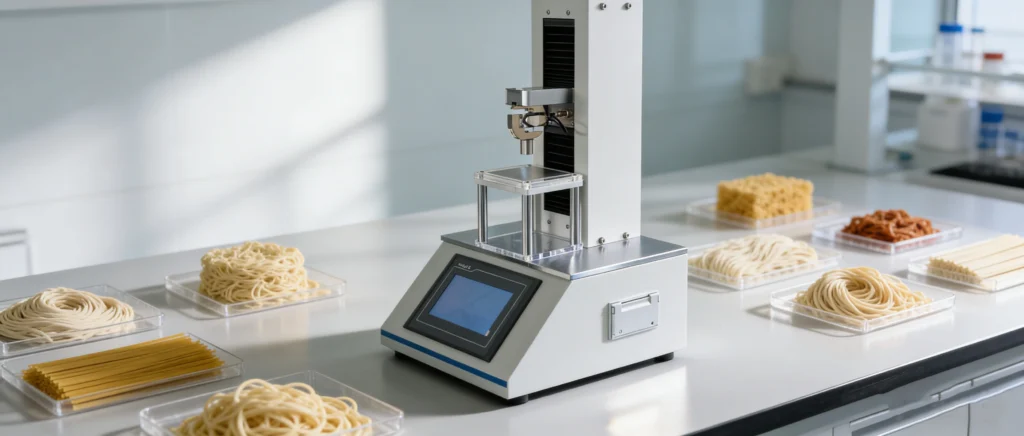
Analizor de textură pentru tăiței
Despre noi
Cell Instruments este specializată în înaltă precizie aparate de analiză a texturii tăițeilor conceput pentru industria alimentară. Oferim soluții pentru încercări de tracțiune pentru tăiței, spaghete și alte produse similare din paste, ajutând producătorii din industria alimentară și laboratoarele de control al calității să măsoare textura, elasticitatea și rezistența la rupere. Instrumentele noastre garantează că produsele respectă standardele dorite în materie de calitate, senzație gustativă și satisfacția consumatorilor.
Testarea fiabilă a netezimii Bekk pentru asigurarea calității
Cum se măsoară textura cu ajutorul analizorilor de textură pentru tăiței și spaghete
Înțelegerea texturii tăițeilor este esențială pentru satisfacția consumatorilor. Textura influențează calitatea percepută, performanța la gătit și senzația în gură. Precizia analiza texturii tăiețeilor permite producătorilor să:
- Pregătirea probelor: Fierbeți tăițeii sau spaghetele până ating consistența dorită, asigurându-vă că toate probele au aceeași textură.
- Fixare: Fixați firele de tăiței cu ajutorul cleștilor analizorului, fără a provoca deformări înainte de testare.
- Aplicarea forței: Aplicați treptat o forță de întindere pe toată lungimea firului până când acesta se rupe.
- Înregistrarea datelor: Măsurați parametri precum rezistența maximă la tracțiune, alungirea la rupere și elasticitatea, care reflectă proprietățile mecanice ale tăițeilor.
Aceste teste ajută producătorii a cuantifica textura, să valideze parametrii de procesare și să asigure consecvența între loturi.
Parametri cheie în testarea rezistenței la rupere a tăițeilor
A analizor de textură pentru tăiței evaluează mai mulți parametri care definesc calitatea produsului:
- Forța de rupere: Solicitarea maximă pe care o poate suporta tăițeul înainte de a se rupe.
- Alungire: Distanța pe care o parcurge o tăiță înainte de a se rupe, ceea ce indică elasticitatea acesteia.
- Fermitate: Rezistența la deformare în timpul solicitării la tracțiune.
- Analiza profilului textural (TPA): Unele aparate de analiză performante permit efectuarea de teste pe mai multe cicluri pentru a simula comportamentul de mestecare și senzația generală în gură.
Măsurarea precisă a acestor parametri garantează că pastele fierte respectă standardele așteptate pentru textura și satisfacția consumatorilor.
Factori care influențează rezultatele încercărilor de tracțiune
Mai mulți factori influențează acuratețea și relevanța teste de rezistență la tracțiune pentru tăiței:
01
Conținutul de umiditate
Un nivel mai ridicat de umiditate poate spori elasticitatea, dar poate reduce rezistența la rupere.
02
Timp de gătire
Fidea prea fiertă are o rezistență la rupere mai mică; fidea nefiertă poate fi fragilă.
03
Grosimea și forma tăițeilor
Diametrele diferite sau tipurile de fire influențează comportamentul la întindere.
03
Temperatura
Testarea la temperaturi constante asigură comparabilitatea între loturi.
Înțelegerea acestor variabile le permite producătorilor să interpreteze corect rezultatele și să-și optimizeze producția.
Instrument recomandat: Cell Instruments TEX-01
The Cell Instruments TEX-01 este conceput special pentru testarea rezistenței la tracțiune a tăițeilor. Caracteristicile sale includ:
- Mânere reglabile pentru diferite dimensiuni de tăiței.
- Măsurarea cu precizie ridicată a forței și a deplasării.
- Viteze de testare programabile pentru protocoale uniforme.
- Compatibilitate cu Analiza profilului texturii pentru o evaluare aprofundată.
Utilizarea modelului TEX-01 asigură reproductibilitatea, precizia și fiabilitatea datelor pentru optimizarea produsului.

Domenii aplicabile și aplicații tipice
Producția de tăiței și paste făinoase
Asigură fermitatea, elasticitatea și gingășia constantă a tăițeilor și pastelor prin măsurători ale texturii prin tracțiune, tăiere și TPA.
Controlul calității tăiețeilor instant
Monitorizează textura tăițeilor pre-fripți sau uscați la aer, menținând mușcătura și senzația în gură după gătire.
C&D și dezvoltarea produselor
Sprijină optimizarea formulării și dezvoltarea de noi produse cu teste TPA, rezistență la gel și tracțiune.
Corelație senzorială
Corelează datele instrumentale privind textura cu percepția consumatorilor privind masticabilitatea și fermitatea pentru o calitate fiabilă a produsului.
De ce să alegi Cell Instruments?
Cell Instruments oferă soluții de vârf în domeniul testării texturii pastelor:
- Precizie ridicată: Măsurători precise și repetabile ale rezistenței la tracțiune și ale elasticității.
- Versatilitate: Potrivit pentru paste uscate, proaspete sau de specialitate.
- Personalizare: Mânere personalizate și protocoale de testare pentru tipuri specifice de tăiței.
- Asistență specializată: Ghid tehnic pentru selectarea metodelor, calibrare și interpretarea datelor.
Colaborarea cu Cell Instruments ajută producătorii să mențină o calitate superioară a tăițeilor, îmbunătățind în același timp eficiența producției.
Importanța testării la tracțiune pentru calitatea tăițeilor
Încercări de tracțiune oferă informații esențiale care depășesc simpla inspecție vizuală. Printre principalele avantaje se numără:
- Asigurarea uniformitatea între loturi.
- Optimizarea rețetelor de tăiței pentru a obține elasticitatea și fermitatea dorite.
- Sprijin dezvoltarea produselor și evaluarea rețetelor noi.
- Reducerea reclamațiilor consumatorilor legate de ruperea tăițeilor sau de textura nedorită.
Pentru producătorii de paste uscate și proaspete, testarea la tracțiune reprezintă un element fundamental al asigurării calității.
Întrebări frecvente despre Noodle Texture Analyzer
Care este scopul unui test de rezistență la tracțiune a tăițeilor?
O probă de tracțiune pentru tăiței măsoară proprietățile mecanice ale tăițeilor și spaghetelor, inclusiv rezistența la rupere, elasticitatea și alungirea, care sunt esențiale pentru evaluarea calității texturii și a performanței la gătit.
Cum trebuie pregătite probele de tăiței pentru testare?
Mostrele trebuie gătite sau hidratate în mod uniform, conform specificațiilor produsului. Asigurați-vă că diametrul, lungimea și temperatura firelor de tăiței sunt uniforme pentru a obține rezultate reproductibile.
Poate testul de rezistență la tracțiune a tăițeilor să contribuie la dezvoltarea produsului?
Da. Prin analizarea proprietăților de rezistență la întindere, producătorii pot optimiza rețetele, pot ajusta conținutul de gluten sau de amidon și pot perfecționa parametrii de preparare pentru a obține rezultatul dorit textura și senzația în gură atât în tăiței uscați, cât și în tăiței proaspeți.