
Tészta textúraelemzés és gép
Tészta szakítóvizsgálat
Az állandó minőség biztosítása a tészta textúrájának elemzésével
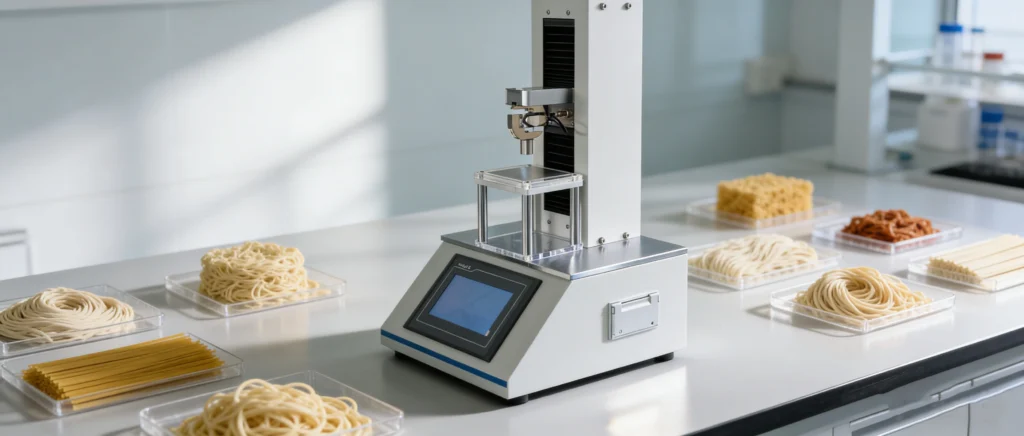
Tészta textúra elemző
Rólunk
Az Cell Instruments a nagy pontosságú tészta textúraelemző készülékek az élelmiszeripar számára kifejlesztve. Megoldásokat kínálunk szakítóvizsgálatok tészták, spagettik és hasonló tésztatermékek esetében, segítve az élelmiszergyártókat és a minőség-ellenőrző laboratóriumokat a textúra, a rugalmasság és a szakadási szilárdság mérésében. Műszereink biztosítják, hogy a termékek megfeleljenek a minőségre, az étkezési élményre és a fogyasztói elégedettségre vonatkozó elvárásoknak.
Megbízható Bekk simasági vizsgálat a minőségbiztosításhoz
Hogyan mérjük a textúrát tészta- és spagetti-textúraelemző készülékekkel
A tészta állagának megértése kulcsfontosságú a fogyasztói elégedettség szempontjából. A textúra befolyásolja az észlelt minőséget, a főzési teljesítményt és a szájérzetet. Pontos tészta textúraelemzés lehetővé teszi a gyártók számára, hogy:
- Minták előkészítése: Főzzük a tésztát vagy a spagettit a kívánt állagúra, ügyelve arra, hogy az összes minta egyforma legyen.
- Rögzítés: Rögzítse a tésztaszálakat az analizátor fogóival úgy, hogy azok a vizsgálat előtt ne deformálódjanak.
- Erő alkalmazása: Fokozatosan gyakoroljon húzóerőt a szál teljes hosszán, amíg az el nem szakad.
- Adatrögzítés: Mérjük meg azokat a paramétereket, mint a maximális szakítószilárdság, a szakadási nyúlás és a rugalmasság, amelyek a tészta mechanikai tulajdonságait tükrözik.
Ezek a tesztek segítenek a gyártóknak a textúra számszerűsítése, ellenőrizze a feldolgozási paramétereket, és biztosítsa a tételek közötti konzisztenciát.
A tészta szakítószilárdsági vizsgálatának főbb paraméterei
A tészta textúra elemző számos, a termékminőséget meghatározó paramétert értékel:
- Törési erő: Az a legnagyobb terhelés, amelyet a tészta eltörés nélkül képes elviselni.
- Nyúlás: Az a távolság, ameddig a tészta megnyúlik, mielőtt elszakadna, ami a rugalmasságát jelzi.
- Keménység: Alakváltozásnak való ellenállás szakítóterhelés hatására.
- Textúraprofil-elemzés (TPA): Egyes fejlett elemzők többciklusos vizsgálatot tesznek lehetővé a rágási viselkedés és az általános szájérzet szimulálása érdekében.
Ezen paraméterek pontos mérése biztosítja, hogy a főtt tészta megfeleljen a textúra és a fogyasztói elégedettség.
A szakítószilárdsági vizsgálati eredményeket befolyásoló tényezők
Számos tényező befolyásolja a tészták szakítószilárdsági vizsgálatai:
01
Nedvességtartalom
A magasabb nedvességtartalom növelheti a rugalmasságot, de csökkentheti a szakadási szilárdságot.
02
Főzési idő
A túlsütött tészta alacsonyabb szakítószilárdsággal rendelkezik; a nem elég főtt tészta pedig törékeny lehet.
03
A tészta vastagsága és alakja
A különböző átmérők vagy szálfajták befolyásolják a nyúlási viselkedést.
03
Hőmérséklet
Az állandó hőmérsékleten végzett vizsgálatok biztosítják a tételek közötti összehasonlíthatóságot.
Ezen változók ismerete lehetővé teszi a gyártók számára, hogy az eredményeket helyesen értelmezzék és optimalizálják a termelést.
Ajánlott eszköz: Cell Instruments TEX-01
A Cell Instruments TEX-01 kifejezetten tészta szakítószilárdsági vizsgálatokhoz lett kifejlesztve. Jellemzői a következők:
- Állítható fogók különböző méretű tésztákhoz.
- Nagy felbontású erő- és elmozdulásmérés.
- Programozható vizsgálati sebességek az egységes protokollok érdekében.
- Kompatibilitás a következővel Textúraprofil-elemzés részletes értékelés céljából.
A TEX-01 használata biztosítja a reprodukálhatóságot, a pontosságot és a megbízható adatokat a termékoptimalizáláshoz.

Alkalmazható területek és tipikus alkalmazások
Tészta és tésztafélék gyártása
Biztosítja a tészták és tészták egyenletes szilárdságát, rugalmasságát és rághatóságát a húzó-, vágási és TPA textúramérések révén.
Instant tészta minőségellenőrzés
Ellenőrzi az elősütött vagy levegőn szárított tészták textúráját, a főzés után is megtartja a harapást és a szájízét.
K+F és termékfejlesztés
Támogatja a formulák optimalizálását és az új termékek fejlesztését TPA, gélszilárdság és szakítóvizsgálatokkal.
Érzékszervi korreláció
Összefüggésbe hozza a műszeres textúraadatokat a rághatóság és a szilárdság fogyasztói érzékelésével a megbízható termékminőség érdekében.
Miért válassza az Cell Instruments-t?
Az Cell Instruments iparágvezető megoldásokat kínál a tészta textúrájának vizsgálatához:
- Nagy pontosság: A szakítószilárdság és a rugalmasság pontos és megismételhető mérése.
- Sokoldalúság: Száraz, friss vagy speciális tésztatermékekhez egyaránt alkalmas.
- Személyre szabás: Az egyes tésztatípusokhoz igazított fogási technikák és vizsgálati eljárások.
- Szakértői támogatás: Műszaki útmutató a módszer kiválasztásához, a kalibráláshoz és az adatok értelmezéséhez.
Az Cell Instruments-vel való együttműködés segít a gyártóknak a tészta kiváló minőségének fenntartásában, miközben javítja a gyártás hatékonyságát.
A szakítószilárdsági vizsgálat jelentősége a tészta minőségének szempontjából
Húzószilárdsági vizsgálatok a szemrevételezésen túlmutató alapvető információkat nyújt. A legfontosabb előnyök a következők:
- Biztosítása tételek közötti konzisztencia.
- A tészta összetételének optimalizálása a kívánt rugalmasság és szilárdság elérése érdekében.
- Támogatás termékfejlesztés és az új receptek értékelése.
- A tészta törése vagy nem kívánt állagával kapcsolatos fogyasztói panaszok számának csökkentése.
A száraz és friss tészta gyártói számára a szakítószilárdsági vizsgálat a minőségbiztosítás alapját képezi.
Gyakran ismételt kérdések a Noodle Texture Analyzerrel kapcsolatban
Mi a célja a tészta szakítószilárdsági vizsgálatának?
A tészta szakítószilárdsági vizsgálata a tészta- és spagetti-termékek mechanikai tulajdonságait méri, ideértve törési szilárdság, rugalmasság és nyúlás, amelyek elengedhetetlenek a textúra minőségének és a főzési tulajdonságoknak az értékeléséhez.
Hogyan kell előkészíteni a tésztamintákat a vizsgálatra?
A mintákat a termék előírásainak megfelelően, egységesen kell főzni vagy vízben áztatni. Gondoskodjon a tésztaszálak átmérőjének, hosszának és hőmérsékletének egyenletességéről, hogy megismételhető eredmények.
Segíthet-e a tészta szakítószilárdsági vizsgálata a termékfejlesztésben?
Igen. A szakadási tulajdonságok elemzésével a gyártók optimalizálhatják az összetételt, módosíthatják a glutén- vagy keményítőtartalmat, és finomíthatják a főzési paramétereket a kívánt eredmény elérése érdekében. textúra és ízélmény száraz és friss tészták esetében egyaránt.